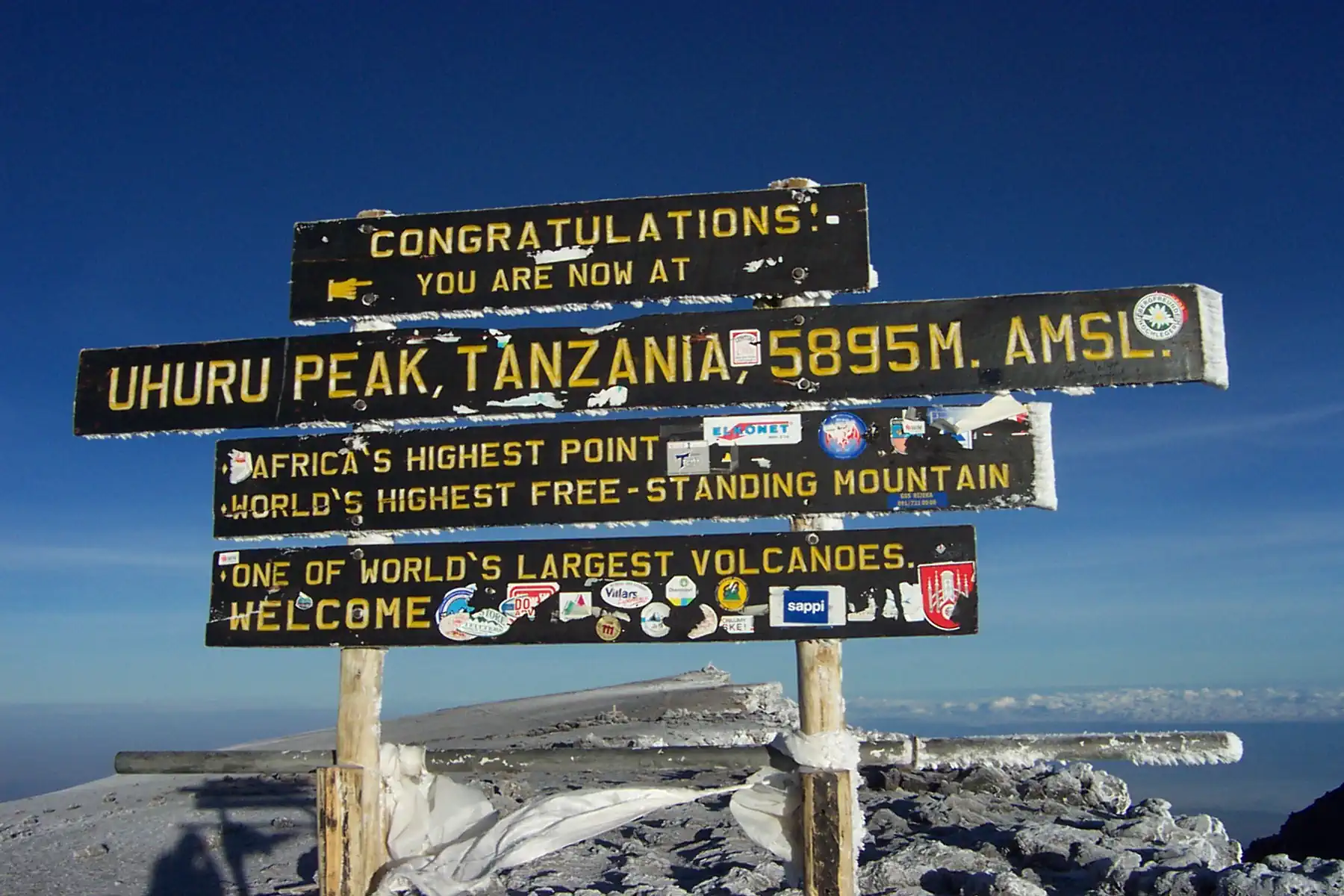
About Climbing Kilimanjaro
Mount Kilimanjaro is the highest peak in Africa and the tallest free-standing mountain in the world. Every year, approximately 50,000 climbers attempt to reach its summit at 5,895 meters (19,341 feet). Unlike other high-altitude peaks, Kilimanjaro requires no technical climbing experience, making it accessible to adventurers of all backgrounds.
The success of your climb largely depends on proper preparation, the right route choice, and an experienced operator. With our comprehensive guide, you'll learn everything needed to maximize your chances of reaching Uhuru Peak.
Our expert guides have helped thousands of climbers achieve their dream of standing on the Roof of Africa. Trust our experience to make your Kilimanjaro journey unforgettable.
Route Comparison
| Route | Days | Difficulty | Success Rate | Scenery |
|---|---|---|---|---|
| Lemosho | 7-8 days | Moderate | 95% | Excellent |
| Machame | 6-7 days | Challenging | 85% | Excellent |
| Northern Circuit | 9-10 days | Moderate | 98% | Best |
| Rongai | 6-7 days | Moderate | 80% | Good |
| Marangu | 5-6 days | Easy | 70% | Good |
Preparation Tips
Physical Preparation
- Start cardio training 3-4 months before
- Practice hiking with a loaded backpack
- Focus on endurance over strength
- Ensure adequate rest before departure
Acclimatization
- Choose longer routes for better acclimatization
- "Climb high, sleep low" principle
- Stay hydrated (3-4 liters daily)
- Avoid alcohol and sleeping pills
Essential Gear Checklist
Clothing
- Base layer (thermal)
- Mid layer (fleece)
- Outer shell (waterproof)
- Down jacket (summit)
- Hiking pants (2-3 pairs)
- Warm hat & gloves
Footwear
- Mountaineering boots
- Hiking socks (multiple)
- Camp shoes/sandals
- Gaiters
- Extra insoles
Equipment
- Sleeping bag (-20°C rated)
- Sleeping pad
- Headlamp + batteries
- Walking poles
- Daypack (30-40L)
Understanding Altitude Sickness
What is Altitude Sickness?
Altitude sickness, or Acute Mountain Sickness (AMS), occurs when your body doesn't adapt to lower oxygen levels at high elevations. Symptoms include headache, nausea, dizziness, and fatigue.
Prevention Strategies
- Choose a longer route: More days mean better acclimatization
- Stay hydrated: Drink 3-4 liters of water daily
- Eat well: Maintain energy levels with proper nutrition
- Don't rush: Walk slowly - "pole pole" (slowly in Swahili)
- Listen to your body: Report any symptoms to your guide immediately
Best Time to Climb
Best Seasons
Excellent conditions. Clear skies, less crowded trails. Very popular for New Year summits.
Peak season. Dry weather, stable conditions. Can be busier on popular routes.
Shoulder Seasons
Short rains possible. Quieter trails, lower prices. Good for experienced climbers.
Long rainy season. Not recommended for summit attempts due to slippery trails and snow.
